🗾 五十音図⚓︎
Welcome to 日本語(にほんご)⚓︎
Components?
There are three types of Japanese in Japanese Writing System:
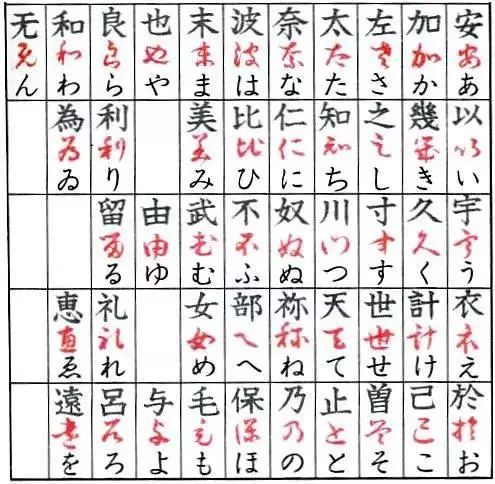
Hiragana is used to express the inherent vocabulary and grammatical auxiliary words in modern Japanese.
Hiragana evolved from the cursive script (草书) of Chinese characters.
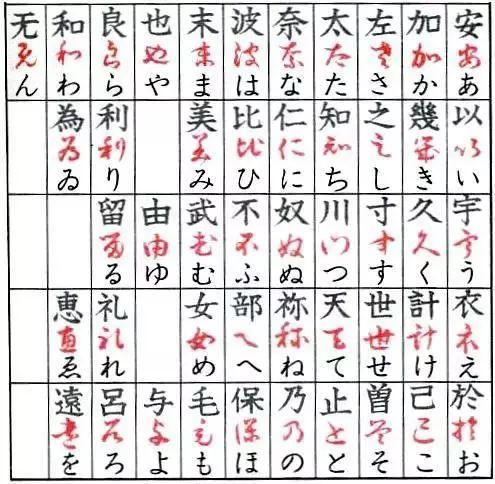
Early Hiragana was wildly used by Japanese women. It was used more for lyrical text, called female characters, female hand.
Katakana is used for foreign words, foreign names, onomatopoeia, biological, mineral, etc., in modern Japanese.
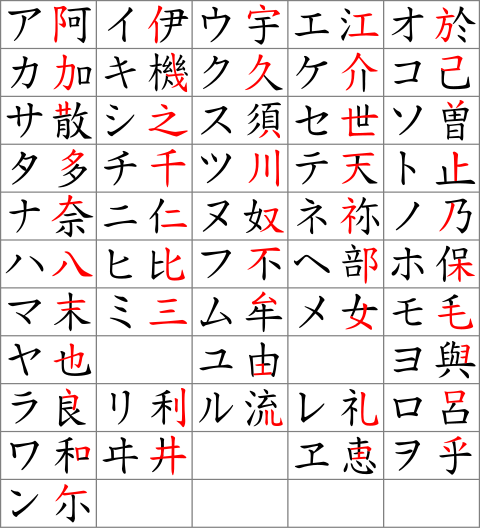
Katakana evolved from regular script (楷书) or its radicals of Chinese characters.
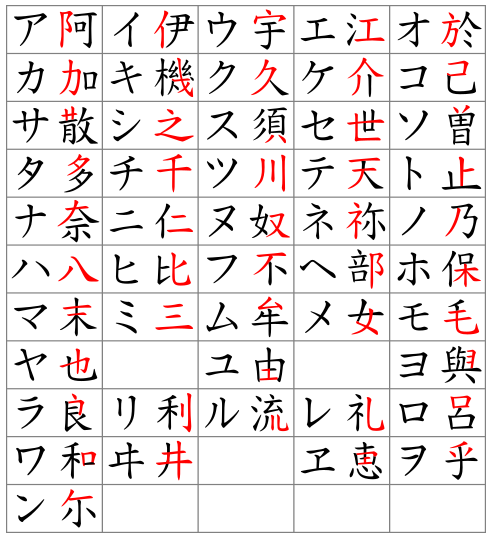
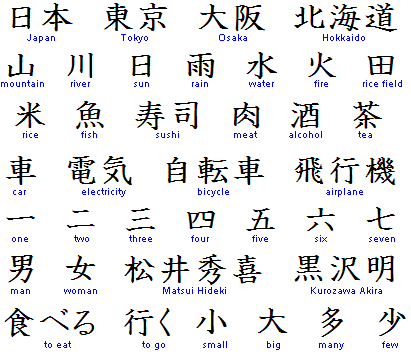
Kanji are the logographic Chinese characters taken from the Chinese script and used in the writing of Japanese.
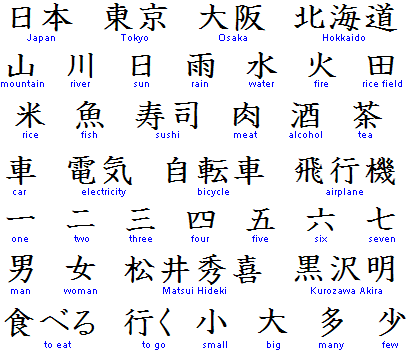
Early Kanji was wildly used by Japanese men for history, and papers, which are called male characters, male hands.
Before Learning!
Since the author is Chinese, concepts will be preferred to be expressed by (漢字).
Table for 五十音図(ごじゅうおんず)⚓︎
Introduction
For the table of the 五十音図(Kana syllabary Pro), we call each column 段 and each row 行. The diagram is split into diagrams for 平仮名 and 片仮名.
平仮名&片仮名⚓︎
平仮名&片仮名
あア(a)段 |
いイ(i)段 |
うウ(u)段 |
えエ(e)段 |
おオ(o)段 |
|
|---|---|---|---|---|---|
あア(a)行 |
あア |
いイ |
うウ |
えエ |
おオ |
かカ(k)行 |
かカ |
きキ |
くク |
けケ |
こコ |
さサ(s)行 |
さサ |
しシ(shi) |
すス |
せセ |
そソ |
たタ(t)行 |
たタ |
ちチ(ti/chi) |
つツ(tsu) |
てテ |
とト |
なナ(n)行 |
なナ |
にニ |
ぬヌ |
ねネ |
のノ |
はハ(h)行 |
はハ |
ひヒ |
ふフ |
へヘ |
ほホ |
まマ(m)行 |
まマ |
みミ |
むム |
めメ |
もモ |
やヤ(y)行 |
やヤ |
ゆユ |
よヨ |
||
らラ(r)行 |
らラ |
りリ |
るル |
れレ |
ろロ |
わワ(w)行 |
わワ |
をヲ |
|||
んン(n) |
んン |
平仮名(ひらがな) "hiragana"⚓︎
平仮名
| あ(a)段 | い(i)段 | う(u)段 | え(e)段 | お(o)段 | |
|---|---|---|---|---|---|
| あ(a)行 | あ | い | う | え | お |
| か(k)行 | か | き | く | け | こ |
| さ(s)行 | さ | し(shi) | す | せ | そ |
| た(t)行 | た | ち(ti/chi) | つ(tsu) | て | と |
| な(n)行 | な | に | ぬ | ね | の |
| は(h)行 | は | ひ | ふ | へ | ほ |
| ま(m)行 | ま | み | む | め | も |
| や(y)行 | や | ゆ | よ | ||
| ら(r)行 | ら | り | る | れ | ろ |
| わ(w)行 | わ | を | |||
| ん(n) | ん |
片仮名(かたかな) "katakana"⚓︎
片仮名
| ア(a)段 | イ(i)段 | ウ(u)段 | エ(e)段 | オ(o)段 | |
|---|---|---|---|---|---|
| ア(a)行 | ア | イ | ウ | エ | オ |
| カ(k)行 | カ | キ | ク | ケ | コ |
| サ(s)行 | サ | シ(shi) | ス | セ | ソ |
| タ(t)行 | タ | チ(ti/chi) | ツ(tsu) | テ | ト |
| ナ(n)行 | ナ | ニ | ヌ | ネ | ノ |
| ハ(h)行 | ハ | ヒ | フ | ヘ | ホ |
| マ(m)行 | マ | ミ | ム | メ | モ |
| ヤ(y)行 | ヤ | ユ | ヨ | ||
| ラ(r)行 | ラ | リ | ル | レ | ロ |
| ワ(w)行 | ワ | ヲ | |||
| ン(n) | ン |
おん "on"⚓︎
おん
The original character writing:
あア(a)段 |
いイ(i)段 |
うウ(u)段 |
えエ(e)段 |
おオ(o)段 |
|
|---|---|---|---|---|---|
あア(a)行 |
あア |
いイ |
うウ |
えエ |
おオ |
かカ(k)行 |
かカ |
きキ |
くク |
けケ |
こコ |
さサ(s)行 |
さサ |
しシ(shi) |
すス |
せセ |
そソ |
たタ(t)行 |
たタ |
ちチ(ti/chi) |
つツ(tsu) |
てテ |
とト |
なナ(n)行 |
なナ |
にニ |
ぬヌ |
ねネ |
のノ |
はハ(h)行 |
はハ |
ひヒ |
ふフ |
へヘ |
ほホ |
まマ(m)行 |
まマ |
みミ |
むム |
めメ |
もモ |
やヤ(y)行 |
やヤ |
ゆユ |
よヨ |
||
らラ(r)行 |
らラ |
りリ |
るル |
れレ |
ろロ |
わワ(w)行 |
わワ |
をヲ |
|||
んン(n) |
んン |
The character writing added with ゛:
あア(a)段 |
いイ(i)段 |
うウ(u)段 |
えエ(e)段 |
おオ(o)段 |
|
|---|---|---|---|---|---|
あア(a)行 |
あア |
いイ |
うウ |
えエ |
おオ |
がガ(g)行 |
がガ |
ぎギ |
ぐグ |
げゲ |
ごゴ |
ざザ(z)行 |
ざザ |
じジ(ji) |
ずズ |
ぜゼ |
ぞゾ |
だダ(d)行 |
だダ |
ぢヂ(ji) |
づヅ(zu) |
でデ |
どド |
なナ(n)行 |
なナ |
にニ |
ぬヌ |
ねネ |
のノ |
ばバ(b)行 |
ばバ |
びビ |
ぶブ |
ベベ |
ぼボ |
まマ(m)行 |
まマ |
みミ |
むム |
めメ |
もモ |
やヤ(y)行 |
やヤ |
ゆユ |
よヨ |
||
らラ(r)行 |
らラ |
りリ |
るル |
れレ |
ろロ |
わワ(w)行 |
わワ |
をヲ |
|||
んン(n) |
んン |
The character writing added with ゜:
あア(a)段 |
いイ(i)段 |
うウ(u)段 |
えエ(e)段 |
おオ(o)段 |
|
|---|---|---|---|---|---|
あア(a)行 |
あア |
いイ |
うウ |
えエ |
おオ |
がガ(g)行 |
がガ |
ぎギ |
ぐグ |
げゲ |
ごゴ |
ざザ(z)行 |
ざザ |
じジ(ji) |
ずズ |
ぜゼ |
ぞゾ |
だダ(d)行 |
だダ |
ぢヂ(ji) |
づヅ(zu) |
でデ |
どド |
なナ(n)行 |
なナ |
にニ |
ぬヌ |
ねネ |
のノ |
ぱパ(p)行 |
ぱパ |
ぴピ |
ぷプ |
ぺペ |
ぽポ |
まマ(m)行 |
まマ |
みミ |
むム |
めメ |
もモ |
やヤ(y)行 |
やヤ |
ゆユ |
よヨ |
||
らラ(r)行 |
らラ |
りリ |
るル |
れレ |
ろロ |
わワ(w)行 |
わワ |
をヲ |
|||
んン(n) |
んン |
- In
平仮名, we useあ,い,う,え, andおto extend the pronunciation. - In
片仮名, we useーto extend the pronunciation.
| あ(a)段 + あ | い(i)段 + い | う(u)段 + う | え(e)段 + い | お(o)段 + う | |
|---|---|---|---|---|---|
| ... |
The んン at the end of 五十音図.
Add つツ(tsu) to express a short pause.
E.g: おと"oto" → おつと"ot_to".
The tiny version of やヤ, ゆユ, and よヨ: ゃャ, ゅュ, and ょョ
The characters can add 拗音:
あア(a)段 |
いイ(i)段 |
うウ(u)段 |
えエ(e)段 |
おオ(o)段 |
|
|---|---|---|---|---|---|
あア(a)行 |
あア |
いイ |
うウ |
えエ |
おオ |
かカ(k)行 |
かカ |
きキ |
くク |
けケ |
こコ |
さサ(s)行 |
さサ |
しシ(shi) |
すス |
せセ |
そソ |
たタ(t)行 |
たタ |
ちチ(ti/chi) |
つツ(tsu) |
てテ |
とト |
なナ(n)行 |
なナ |
にニ |
ぬヌ |
ねネ |
のノ |
はハ(h)行 |
はハ |
ひヒ |
ふフ |
へヘ |
ほホ |
まマ(m)行 |
まマ |
みミ |
むム |
めメ |
もモ |
やヤ(y)行 |
やヤ |
ゆユ |
よヨ |
||
らラ(r)行 |
らラ |
りリ |
るル |
れレ |
ろロ |
わワ(w)行 |
わワ |
をヲ |
|||
んン(n) |
んン |
E.g: 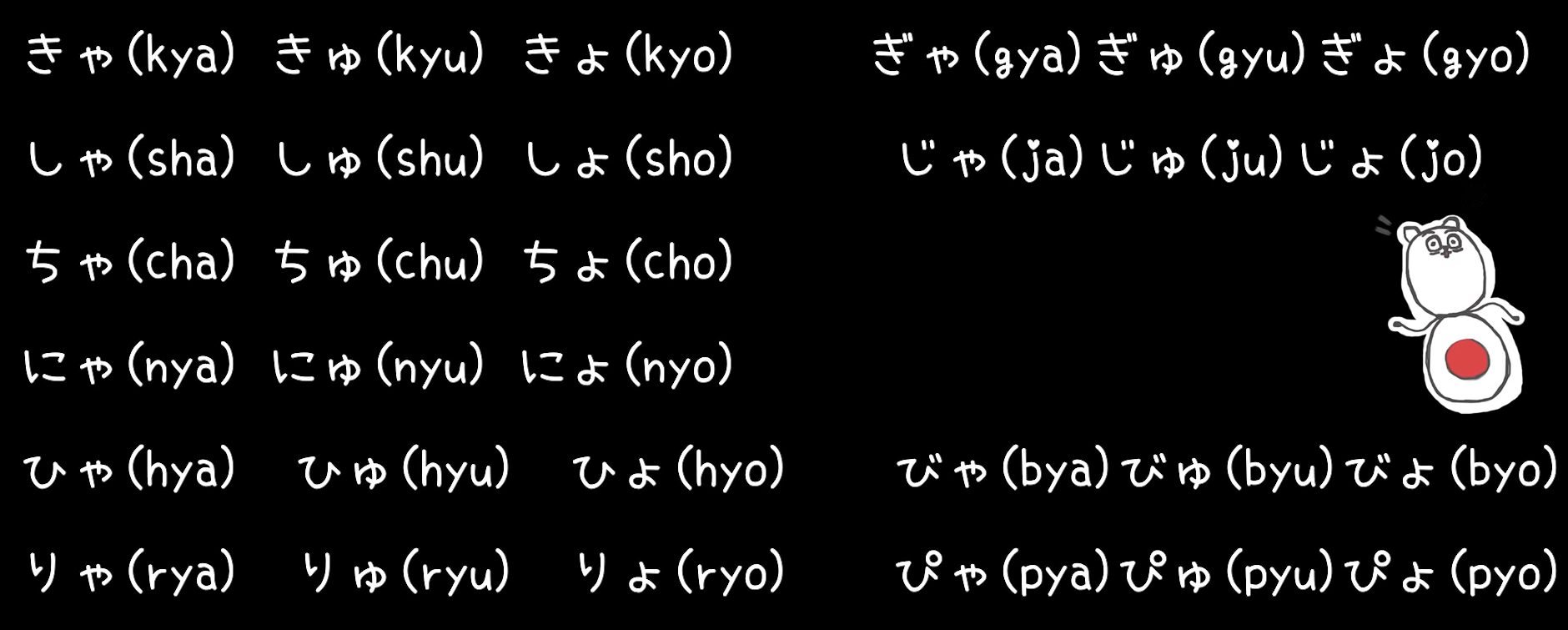
Fast remember⚓︎
| 日语 | 中文 | 罗马音 |
|---|---|---|
| なると | 鸣人 | naruto |
| さすけ | 佐助 | sasuke |
| さくら | 小樱 | sakura |
| ひなた | 雏田 | hinata |
| かかし | 卡卡西 | kakashi |
| じらいや | 自来也 | jiraiya |
| つなで | 纲手 | tsunade |
| があら | 我爱罗 | gaara |
| やまと | 大和 | yamato |
| ねこ | 猫 | neko |
| いぬ | 狗 | inu |
| すし | 寿司 | sushi |
| みず | 水 | mizu |
| そら | 天空 | sora |
| ゆき | 雪 | yuki |
| ほし | 星星 | hoshi |
| ともだち | 朋友 | tomodachi |
| せんせい | 老师 | sensei |
| にほん | 日本 | nihon |
| ありがとう | 谢谢 | arigatou |
Rest | 日语 | 中文 | 罗马音 | | ---- | -- | ------- | | れきし | 历史 | rekishi | | ろうそく | 蜡烛 | rousoku | | わに | 鳄鱼 | wani | | むし | 虫 | mushi | | めがね | 眼镜 | megane | | ふね | 船 | fune | | へや | 房间 | heya | | えき | 车站 | eki | | おに | 鬼 | oni | | くつ | 鞋 | kutsu |